FORCE FEEDBACK TRUCK SIMULATOR CONTROLLER
What is Force Feedback?
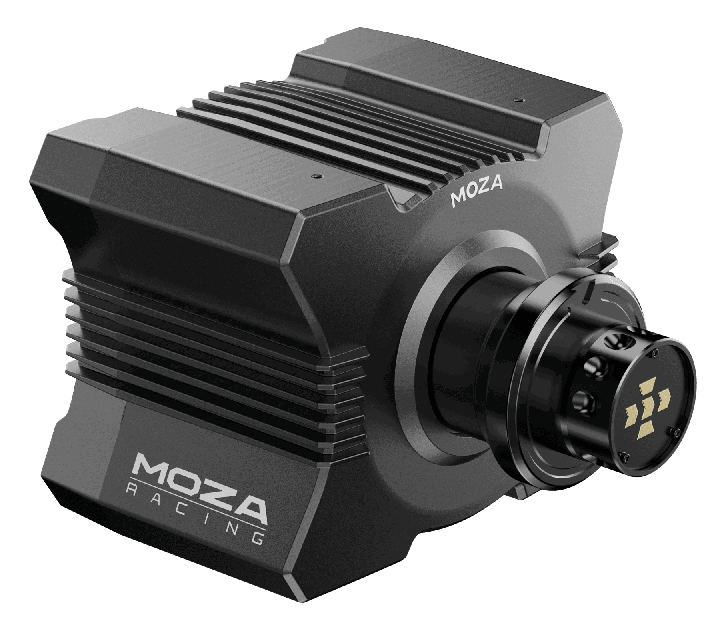
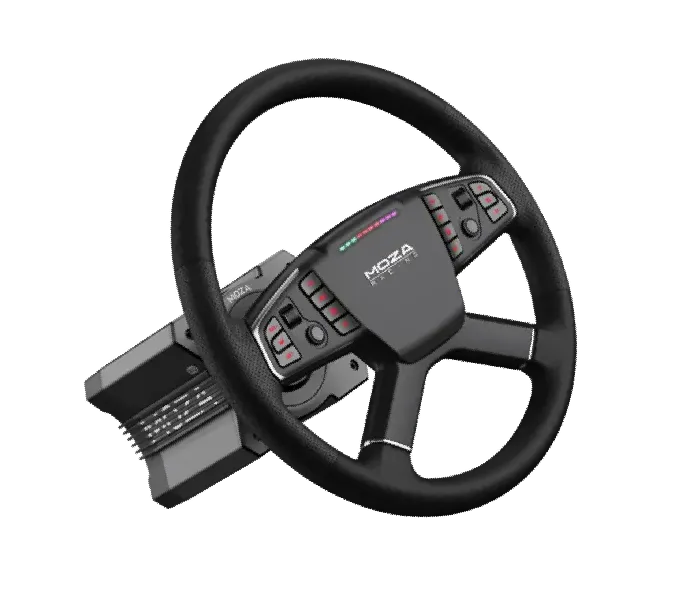
Force feedback is one of the technologies that transforms a truck simulator from a simple driving game into a highly realistic heavy vehicle simulation. Unlike a conventional steering wheel that offers little physical resistance, a force feedback steering system continuously recreates the forces experienced when driving a commercial vehicle.Using powerful electric motors built inside the steering wheel, the simulator generates resistance based on real-time telemetry from the simulation software. Every steering correction, change in road surface, braking manoeuvre and variation in vehicle load is translated into physical feedback through the wheel.The result is a driving experience that feels considerably more natural, allowing drivers to experience many of the steering characteristics associated with operating a real HGV or articulated lorry.Whether used for home entertainment, professional driver familiarisation or commercial driver training, force feedback adds an entirely new level of realism to virtual truck driving.
How Does Force Feedback Work?
Modern truck simulators constantly calculate hundreds of pieces of information every second. Vehicle speed, steering angle, tyre grip, road surface, suspension movement, braking forces and trailer weight are all processed by the simulation software.This live telemetry is sent directly to the force feedback steering wheel, where precision electric motors create varying levels of steering resistance and vibration.Driving across smooth motorway surfaces produces light, consistent feedback, while rough roads, potholes and uneven ground generate distinct steering vibrations. During heavy braking, increased steering resistance reflects the weight transfer through the front axle, while driving onto gravel, loose surfaces or road shoulders creates immediate changes in steering feel.Unlike ordinary gaming wheels that simply vibrate, force feedback constantly changes according to the conditions the vehicle is experiencing, allowing the driver to feel the road rather than simply watch it.
Understanding Heavy Vehicle Dynamics
Driving a heavy goods vehicle requires a completely different approach to driving a passenger car.Large commercial vehicles respond more slowly to steering inputs, require greater braking distances and generate considerably higher steering loads due to their size and weight.Force feedback helps recreate these characteristics by providing realistic steering resistance throughout every journey.Drivers begin to recognise how the vehicle reacts when carrying heavy loads, negotiating roundabouts, climbing steep gradients or descending long hills. Steering effort naturally varies depending on vehicle speed and road conditions, encouraging smoother, more deliberate steering inputs that closely resemble real-world HGV driving.This additional level of feedback allows drivers to better understand vehicle dynamics while improving confidence behind the wheel.
Feeling the Road Surface
Professional drivers constantly receive information through the steering wheel.Small changes in steering resistance often indicate changing road conditions before they become visually obvious.Force feedback allows drivers to experience:
- Road camber
- Potholes
- Uneven road surfaces
- Kerbs
- Gravel and loose surfaces
- Suspension movement
- Steering resistance
- Changes in tyre grip
These physical sensations help drivers maintain better vehicle control while creating a much more immersive driving experience.Whether manoeuvring through tight industrial estates or travelling long distances on the motorway, force feedback provides valuable information throughout every stage of the journey.
Why Force Feedback Matters
Commercial vehicle drivers rely heavily on feel.Unlike high-performance racing, HGV driving focuses on smooth vehicle control, anticipation and precision. Force feedback supports this by communicating subtle changes in vehicle behaviour directly through the steering wheel.Drivers can naturally sense:
- Weight transfer during braking
- Trailer movement
- Steering effort
- Surface changes
- Road irregularities
- Corner loading
- Loss of traction
- Vehicle stability
Learning to recognise these sensations encourages smoother steering inputs, improved vehicle positioning and more confident control when operating larger vehicles.
Professional Truck Simulator Controls
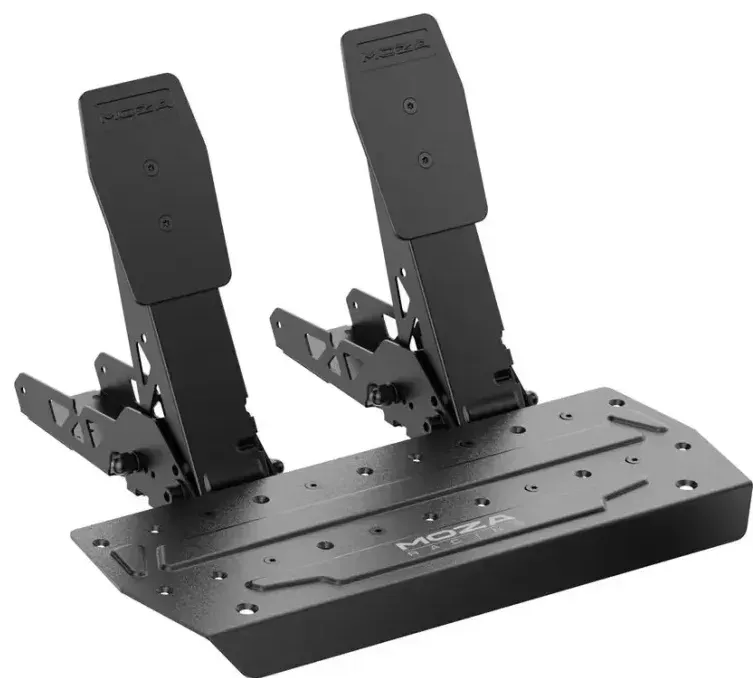
Modern truck simulators utilise high-quality steering wheels, pedals and gear selectors designed to replicate the controls found in commercial vehicles.Unlike basic gaming controllers, professional force feedback systems provide progressive steering resistance that changes continuously throughout the drive. Combined with realistic pedals and transmission controls, the simulator creates an environment that closely mirrors operating a real heavy goods vehicle.Whether driving rigid trucks, articulated lorries or specialist commercial vehicles, realistic controls significantly enhance both immersion and driver confidence.
Combined with Motion Simulation and Virtual Reality
Force feedback becomes even more convincing when combined with TruckVR's motion simulation and virtual reality technology.While the motion platform recreates vehicle acceleration, braking, cornering and suspension movement, force feedback communicates what the front axle and steering system are experiencing. Wearing a virtual reality headset provides a full 360-degree driving environment together with realistic depth perception, allowing drivers to judge vehicle positioning, mirrors, junctions and surrounding traffic naturally.Together, these technologies engage vision, balance and touch simultaneously, creating one of the most immersive truck simulator experiences available.
Designed for Home Users, Driving Schools and Commercial Training
Whether you're purchasing a simulator for home use, commercial driver training or professional familiarisation, force feedback dramatically improves realism and vehicle control.Understanding how a heavy vehicle responds to changing road conditions is an important part of developing confidence behind the wheel. Force feedback provides valuable physical feedback that complements visual information, creating a far more authentic driving experience.Combined with TruckVR's virtual reality technology, motion simulation and professional-grade controls, force feedback helps bridge the gap between desktop simulation and real-world commercial vehicle operation, delivering one of the most realistic virtual reality truck simulator experiences available.